
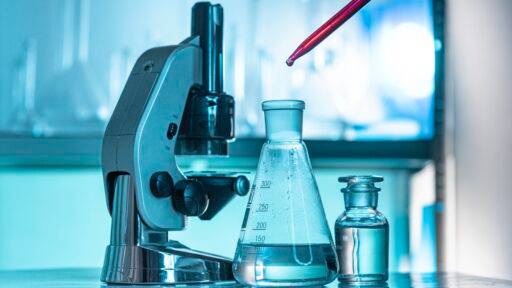

Bacteriostatic water is commonly referred to as BAC water. It is among the most vital parts in peptide production, laboratory studies, and healthcare establishments. It appears exactly like normal sterile water, but its composition and purpose are quite different.
Due to its longer shelf life, antimicrobial properties, and capability to preserve the stability of peptides after mixing, BAC water is now the choice for reconstituting peptides.
When applied in the research and scientific setting, the integrity and performance of sensitive compounds can be influenced by the use of the correct diluent. This is the reason why it is significant to know what BAC water is.
This guide breaks down everything you need to know, from storage instructions to differences between bacteriostatic and sterile water, so you can make informed decisions about peptide reconstitution.
What is a BAC water?
Bacteriostatic water or BAC water is sterile water that has benzyl alcohol (0.9 percent). Such a small quantity of benzyl alcohol prevents the proliferation of bacteria, which gives the solution resistance to contamination upon opening.
The ingredient benzyl alcohol is the most important and is thoroughly documented in chemical studies.
Due to this bacteriostatic effect, it is possible to use BAC water in the same vial for several days or even weeks, depending on proper storage conditions.
BAC water is commonly used in:
- Research laboratories
- Medical injections
- Peptide reconstitution
- Dilution of pharmaceutical substances
While the formula is simple, the presence of benzyl alcohol is what sets it apart from standard sterile water.
What Is Bacteriostatic Water Used For?
There are a number of medical and laboratory uses of bacteriostatic water. It does not kill bacteria; its antimicrobial effect inhibits the growth of bacteria. This is suitable in multi-use vials.
It can be used in clinical practice to dilute or dissolve medications that are supposed to be injected. It is also applied in flushing IV lines or the preparation of compounds that need to be reconstituted first.
Medical literature explains the bacteriostatic effect of benzyl alcohol and its use in multi-dose vials.
For researchers working with peptides, BAC water is especially valuable because it helps maintain both sterility and extended usability.
BAC Water for Peptide Reconstitution
Reconstituting peptides needs accuracy, sterility, and the correct kind of diluent. The peptides are fragile chains of amino acids and may easily be destroyed by contaminants or unsuitable solvents.
The use of BAC water in peptide reconstitution is best due to the following reasons:
- It inhibits the growth of bacteria in the vial following reconstitution.
- It enhances the stability of peptides during several days of application.
- Its benzyl alcohol concentration increases the shelf life of the mixed peptide as opposed to sterile water.
- It minimizes wastage, as in most cases, the vials of peptide have more material than they are utilized in one session.
Many peptides need to be combined with a liquid before use; this is where BAC water becomes useful. Its bacteriostatic properties are useful to preserve the purity and integrity of the peptide when storing it..
Bacteriostatic Water vs. Sterile Water
Although they may look identical, bacteriostatic water and sterile water are not interchangeable in all situations. Understanding the difference is crucial.
1. Composition
- Bacteriostatic water: Sterile water + 0.9% benzyl alcohol
- Sterile water: Pure sterile water only
2. Shelf Life After Opening
- BAC water: Multi-use; can be used for up to 28 days after opening (depending on proper storage)
- Sterile water: Single-use; must be discarded immediately after one withdrawal
3. Purpose
- BAC water: Used for reconstituting medications and peptides that may require multiple withdrawals
- Sterile water: Used for single-use injections, IV preparations, and situations where benzyl alcohol may cause irritation
4. Safety Considerations
Sterile water can be safer in infants or neonates because benzyl alcohol has reported risk to premature babies.
The article describes neonatal hypersensitivity to benzyl alcohol. For adults and research peptide use, BAC water is preferred because of its convenience and extended usability.
How to Store Bacteriostatic Water
Proper storage is essential to maintain the sterility and effectiveness of BAC water.
Here are the recommended storage practices:
- Keep the vial in a cool, dry place, ideally between 20°C–25°C (68°F–77°F).
- Avoid direct sunlight or extreme heat.
- Always ensure that the cap is closed properly at the end of use.
- Sterile syringes should be used to withdraw BAC water.
- Do not touch the rubber stopper with your fingers; sanitize with alcohol if needed.
Just because the solution is bacteriostatic does not mean it is bulletproof. Good technique ensures that the benzyl alcohol can perform its intended role.
How Long Does Bacteriostatic Water Last After Opening?
BAC vials of water are designed to last up to 28 days when punctured for the first time. It is a general timeline following research on the capacity of benzyl alcohol to prevent bacterial growth within a period of weeks.
However, this timeframe assumes proper storage and handling:
- No contamination
- Sterile technique
- No visible color changes
- Refrigeration is recommended by the manufacturer
When stored in appropriate conditions, the unopened BAC water vials normally last several years.
When a vial is opened, it is important to date it. Benzyl alcohol can delay the growth of bacteria, but that does not mean it is safe, since exposure to bad handling brings contaminants.
Signs Bacteriostatic Water Should Be Discarded
Discard your BAC water immediately if:
- The solution turns cloudy or discolored
- Particles or floating debris appear.
- The stopper looks damaged or swollen.
- The vial is more than 28 days open.
- It has been stored in excessive heat or direct sunlight.
- There was a drop or contamination of the vial.
- The time of expiration is passed.
The stability of peptides depends so much on pure and clean solvents. So when you are in doubt, it is best to replace the vial.
The Final Note
BAC water is a necessary factor in the reconstitution and lab preparation of peptides. Its 0.9% benzyl alcohol composition gives it excellent bacteriostatic effects that enable it to withstand several withdrawals and last 28 days after opening. BAC water has a higher longevity, convenience, and peptide stability compared to sterile water.
Knowing what BAC water is, its differences frosterile water, and how it should be stored and used correctly, researchers can retain the integrity of peptides and provide safety during the process. BAC water can be considered among the best solutions to peptide preparation, as long as it is managed properly and observed in regard to contamination.